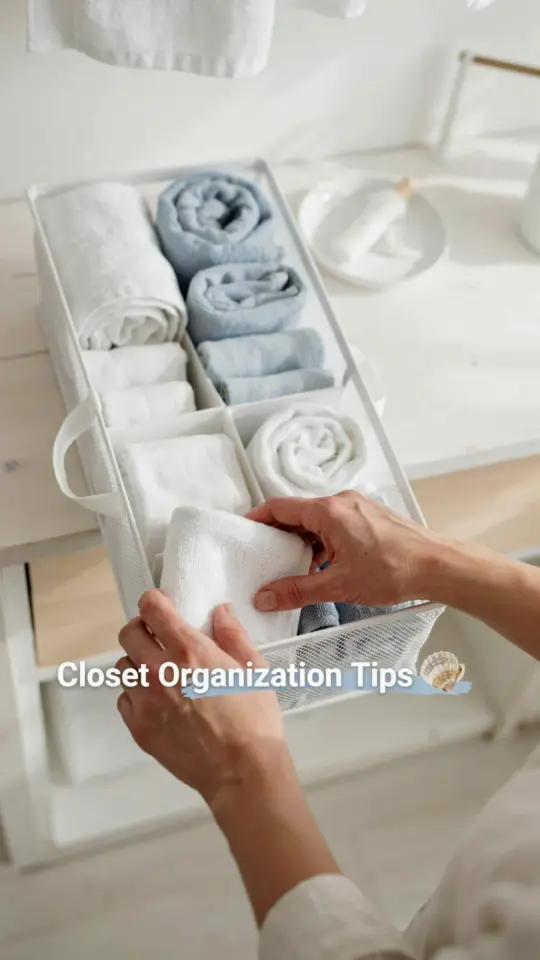
Every March, I used to stand in front of my bulging closet and feel a tight knot in my chest. The heavy sweaters were still hanging next to the linen tops I had shoved aside last fall, and I could not find a single pair of shorts without digging through a pile of wool socks. That is when I realized I needed a real system, not just a wish. After a few trial-and-error weekends, I landed on a set of spring closet organization tips that turned the seasonal swap from a dreaded chore into a one-afternoon project. Here is exactly what worked for me, no perfection required.
How to Sort Clothes by Season for a Quick Swap
The biggest mistake I made in earlier years was trying to organize the whole closet at once. That led to a pile on the bed, tears, and abandoned projects. Now I start by pulling everything off the hangers and dividing into three piles: cold-weather items, warm-weather items, and pieces that work year-round. I do this on a clean floor with good music playing. It takes about 45 minutes for a full-size closet.
Be honest with yourself about what belongs in each pile. A lightweight cashmere sweater? That can stay in the spring zone because you will wear it on chilly mornings. A heavy parka? Straight into the off-season storage. I also keep a fourth pile for donate or sell as I sort. That way I do not have to revisit decisions later.
The Best Clear Bins for Off-Season Storage (and How to Label Them)
After trying cardboard boxes, fabric bins, and even garbage bags, I found that clear plastic bins with locking lids work best for off-season storage. I use the 18-gallon size for bulky jackets and the 12-gallon size for sweaters and jeans. The clear sides let me see exactly what is inside without pulling the lid off. I also put a silica gel packet in each bin to keep everything dry through the humid spring.
Labeling is where most people slip. I use a simple system: a white adhesive label on the short side of the bin (the side that faces out when stacked). I write the season and the general contents, for example “Fall – Sweaters & Scarves” or “Winter – Heavy Coats.” Do not write just “winter clothes” because you will forget what that means by October. Be specific. Here is a quick checklist for labeling:
- Write the season first (Winter, Fall, Summer, Spring)
- List the main item types (e.g., “wool sweaters, parkas, gloves”)
- Add the year you last wore the items (helps you notice what you never used)
- Use a permanent marker so the label does not smudge
Create a Spring Capsule Wardrobe on a Budget
When I started organizing for spring, I noticed I owned way more clothes than I actually wore. So I decided to try a capsule approach for the season. I picked 30 pieces total, including shoes and accessories, that all work together. That meant I could pull out my favorite white jeans, three linen tops, two light sweaters, a denim jacket, and a few dresses. Everything else went into storage or the donation pile.
The surprising part was how much easier mornings became. With fewer choices, I stopped wasting time staring at a full closet. I also saved money because I realized I did not need to buy anything new for spring. I already had the pieces; I just needed to see them clearly. A capsule wardrobe does not have to be expensive or trendy. It just has to include things you genuinely like and feel comfortable in.
Easy Closet Layout Changes for Warmer Weather
Storage bins are only half the story. I also rearrange how I use my closet rods and shelves for spring. During winter, I kept my heavy jackets on the main rod near the door. For spring, I move all lightweight jackets and cardigans to the front, and I group them by color. That way I can grab a pale pink jacket or a blue denim layer without pushing through thick fleece.
Shelves get a similar treatment. I take down the winter hat and glove baskets and replace them with a small bin for sunglasses, a wide-brim hat, and a foldable tote bag. I also remove the bulky sweater shelf and store those in the clear bins. Instead, I fold lightweight tees and tanks in neat stacks. A simple rule: anything you will reach for often should be at eye level or lower. Things you use rarely go on the top shelf or into storage.
Maintenance Tips to Keep Your Closet Organized All Spring
The real test of any organization system is whether it survives past the first week. For me, the trick is a ten-minute tidy every Sunday evening. I put any out-of-place items back where they belong, re-fold a tee if it looks messy, and check the donation pile to see if I can drop it off. That small habit keeps the chaos away.
I also use a one-in-one-out rule during spring. If I buy a new blouse, I remove an old blouse from the closet and put it in the donation bag. This prevents the closet from slowly filling up again. And I pay attention to which items I never reach for. By mid-May, if a piece has not been worn, I move it to the donate pile and do not feel guilty about it.
What to Do with Clothes You No Longer Love
Seasonal swaps are a perfect time to let go of items that no longer fit your life or your style. I keep a reusable shopping bag on the floor of my closet and drop in anything that feels off. An itchy sweater, a pair of jeans that are too short, a dress with a broken zipper that I never fixed. When the bag is full, I take it to a local charity shop or a textile recycling bin. This step is not about minimalism. It is about making room for the clothes that actually make you feel good.
If you are not ready to donate everything, consider selling a few quality pieces on a resale app. I have had good luck with high-end brands and barely worn shoes. The money can go toward a new pair of sneakers or a spring coat. Just do not let unsold items sit around for months. Give yourself a two-week deadline to list them, then donate the rest.
Getting your closet ready for spring does not have to be overwhelming. The real secret is to take it step by step, use clear bins that actually let you see what you own, and be honest about what you will wear. I have been using this system for three years now, and every seasonal swap gets a little faster. If you try even one of these tips, I think you will feel a lightness that goes beyond your closet. Save this post for your next cleanout, and let me know in the comments what worked best for you.
#closetorganization #springcleaning #wardrobeorganization #storageideas #seasonalswap
Leave a Comment